
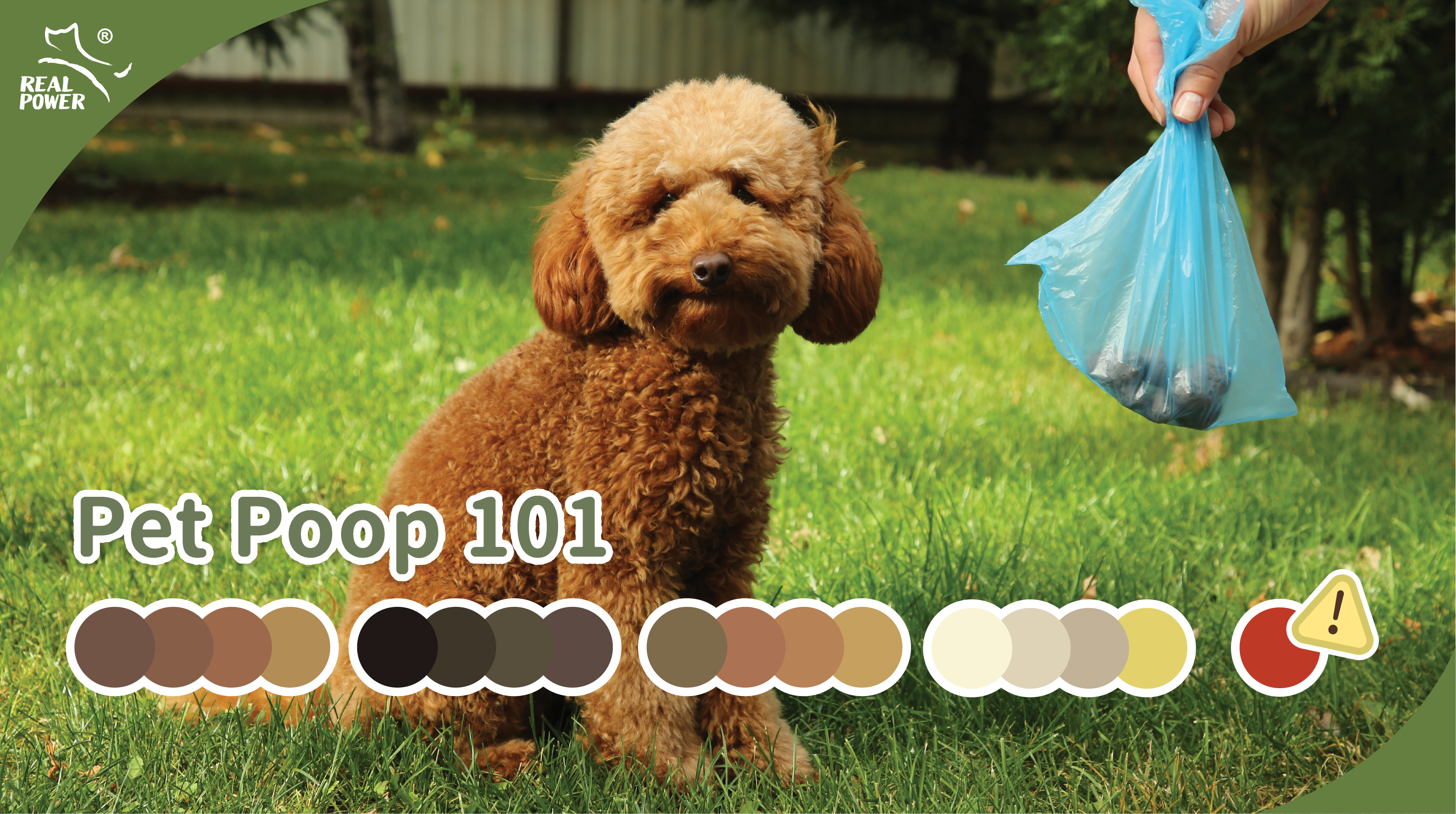
What Goes In and What Comes Out, Can Say A Lot
While it might not be the most glamorous topic, your pet's stool is one of the easiest ways to monitor their health.
One of the most important things to look out for is stool color.
Beyond texture and frequency, color changes in your dog or cat’s poop can be an early warning sign that something’s not quite right.
4 common stool colors:
1. Brown-ish
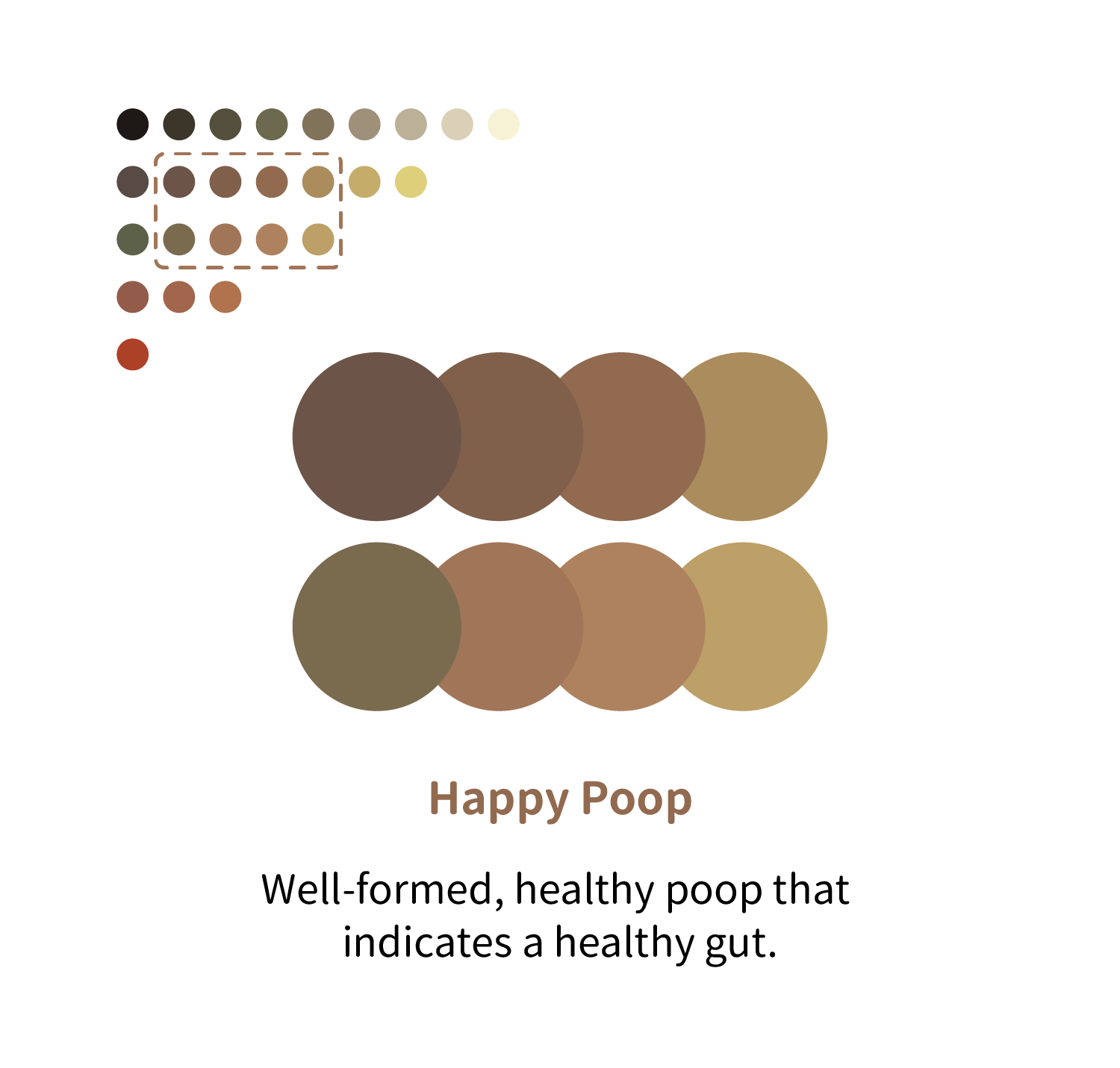
This is the gold standard of pet poop. Brown stools are a sign of a healthy digestive system with a good balance of gut bacteria. If your pet is pooping regularly and the stool is firm and brown, you’re likely on the right track!
2. Black-ish
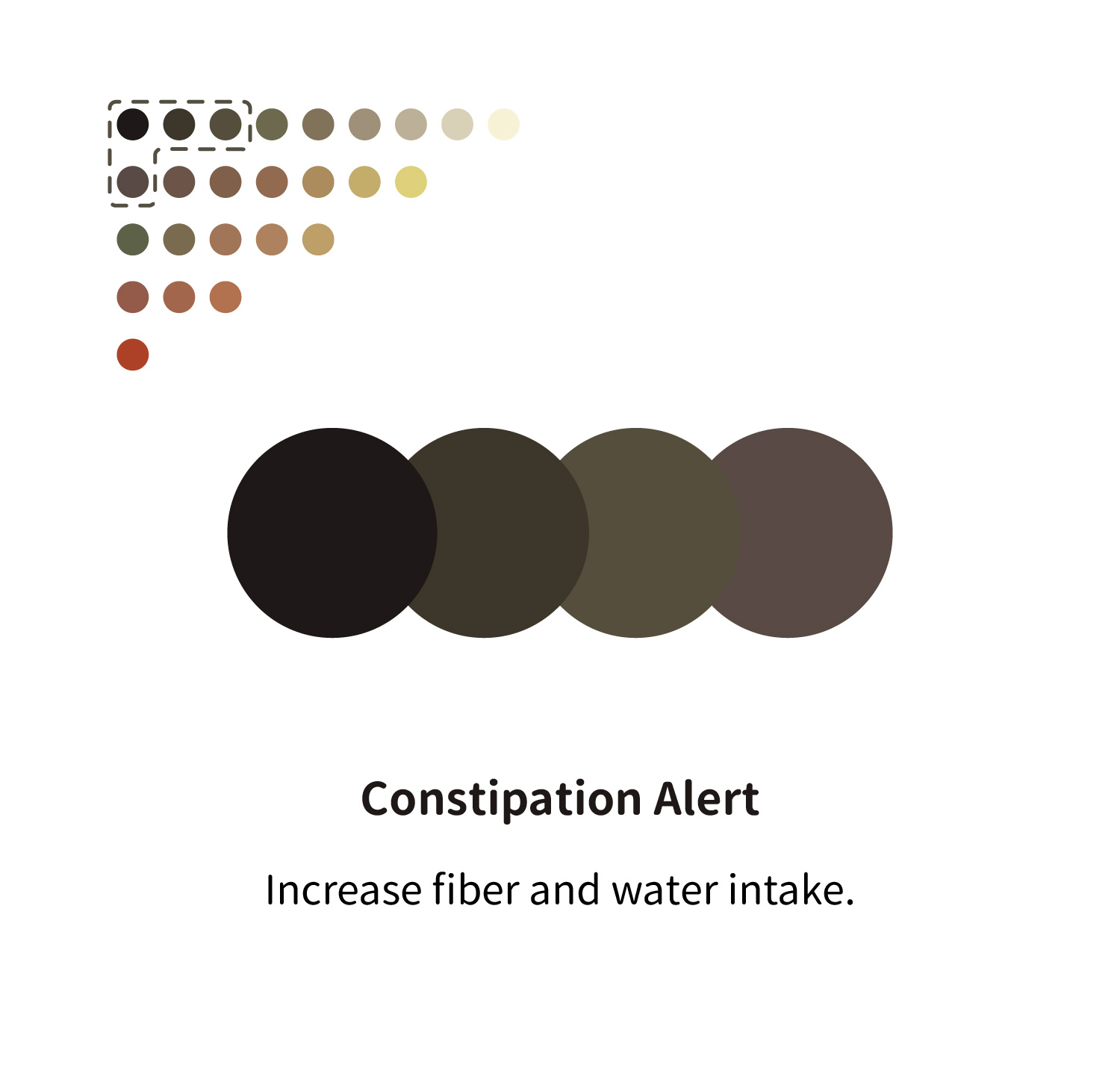
Very dark or black stools could mean the waste has been sitting in the intestines too long—often a sign of constipation. It may also indicate internal bleeding higher up in the digestive tract. If you notice this, try increasing your pet’s fiber and water intake, and monitor for improvement.
3. Light-colored (Gray, Yellow, Pale)
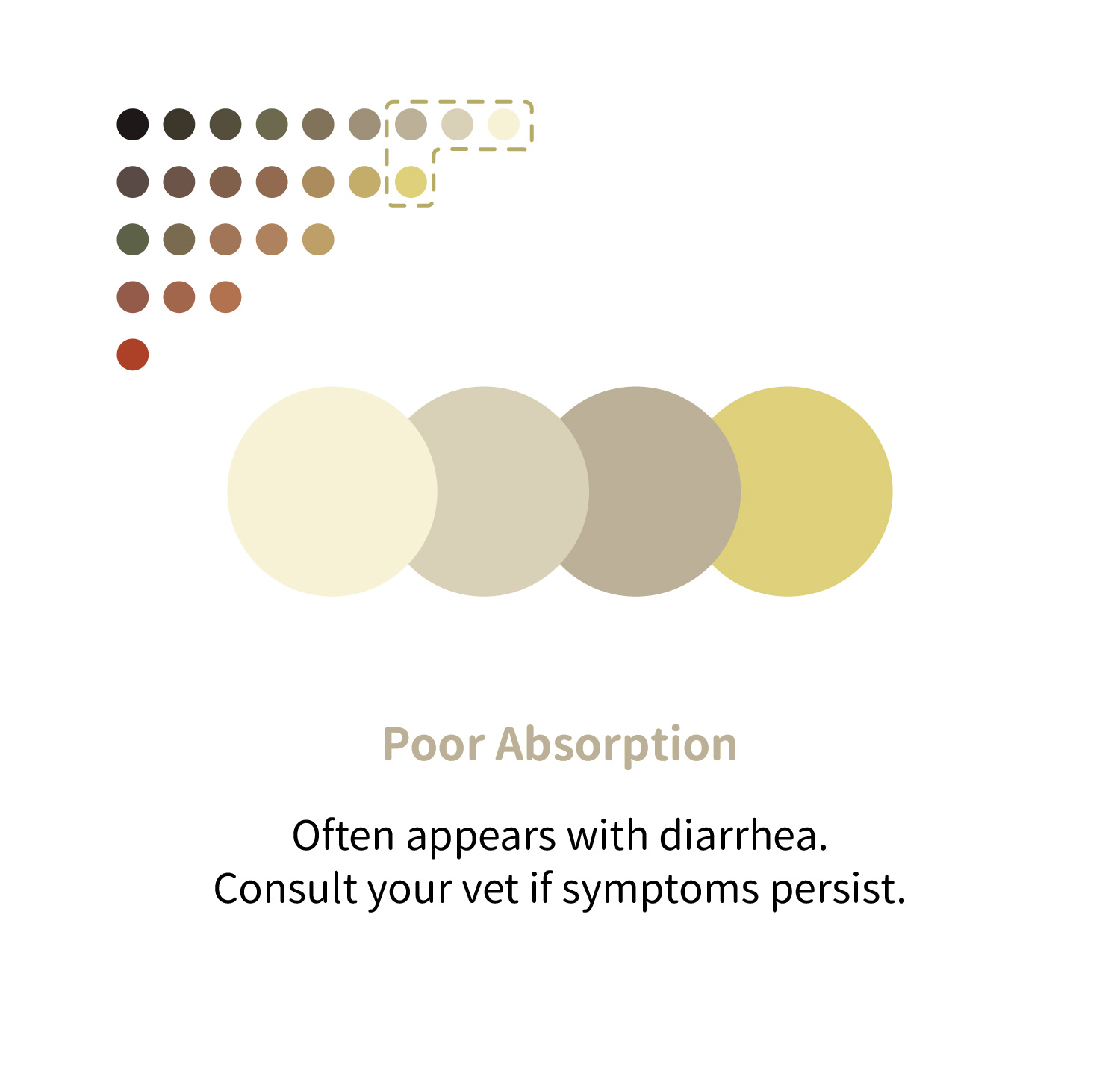
Light or pale-colored poop often appears during episodes of diarrhea, and may come with symptoms like vomiting, fever, or lethargy. This could point to liver, pancreas, or bile flow issues. If your pet has these symptoms, a vet visit is a good idea.
4. Red-ish
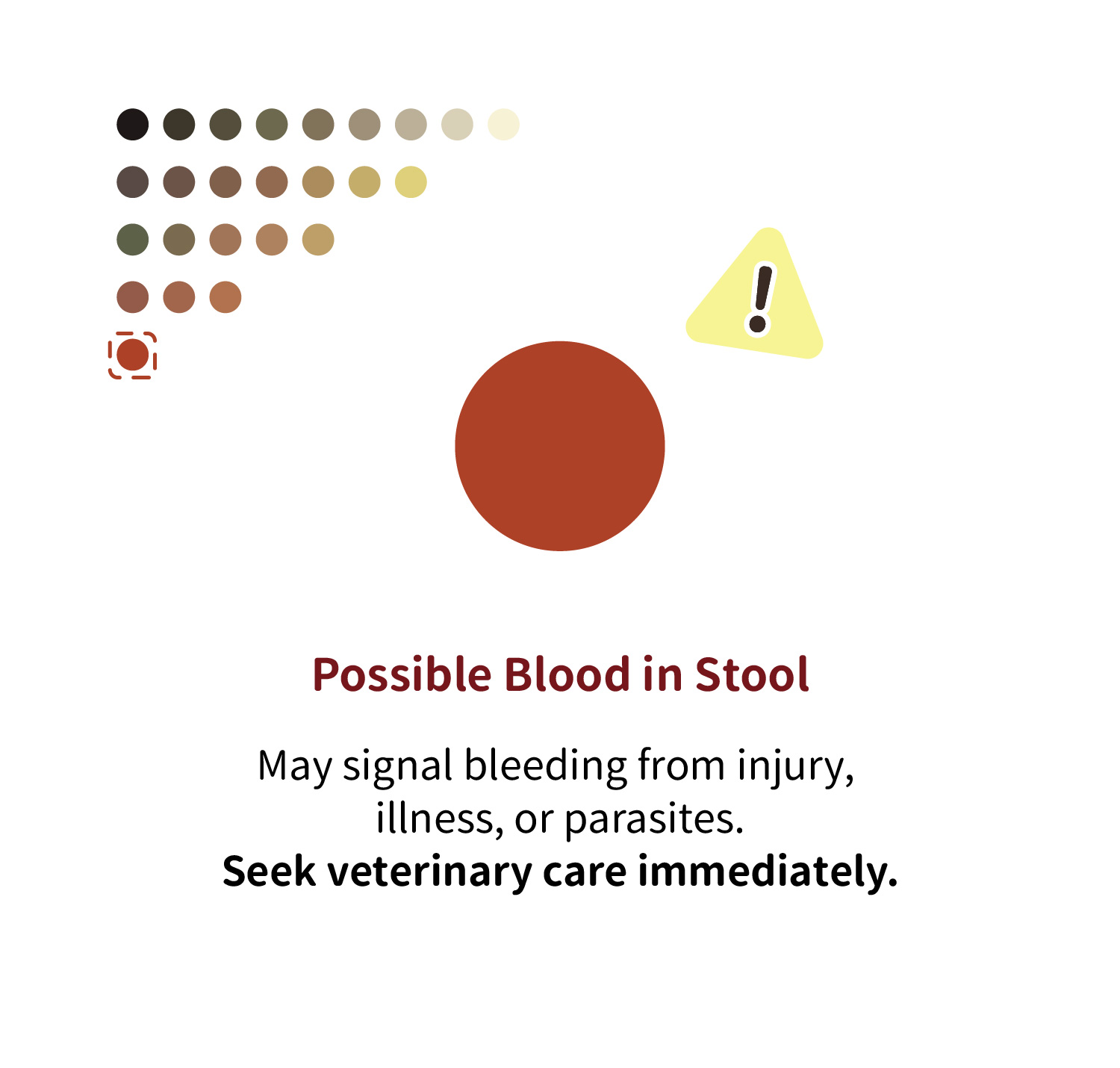
If your pet’s stool has a red hue or visible blood, take them to the vet immediately.
It may indicate:
Ingestion of foreign objects
Parasites
Intestinal inflammation
Hemorrhoids or rectal injuries
In more serious cases, even colorectal disease
⚠︎ CAUTION: Red stools should never be ignored!
Final Tip: Keep an Eye on Their Output
Your pet’s poop isn’t just waste—it’s a window into their well-being. Next time you’re cleaning up after your furry companion, take a quick look at color, shape, and consistency.
If anything seems unusual, don’t hesitate to speak with your vet. Early detection makes all the difference.
📌 Healthy digestion is the foundation of a happy pet—don’t overlook what they leave behind!
Find out more about
Is Your Puppy Hitting Their Milestones? What Every New Pet Parent Should Know