Which Protein Is Best for Cats: Animal or Plant-Based?
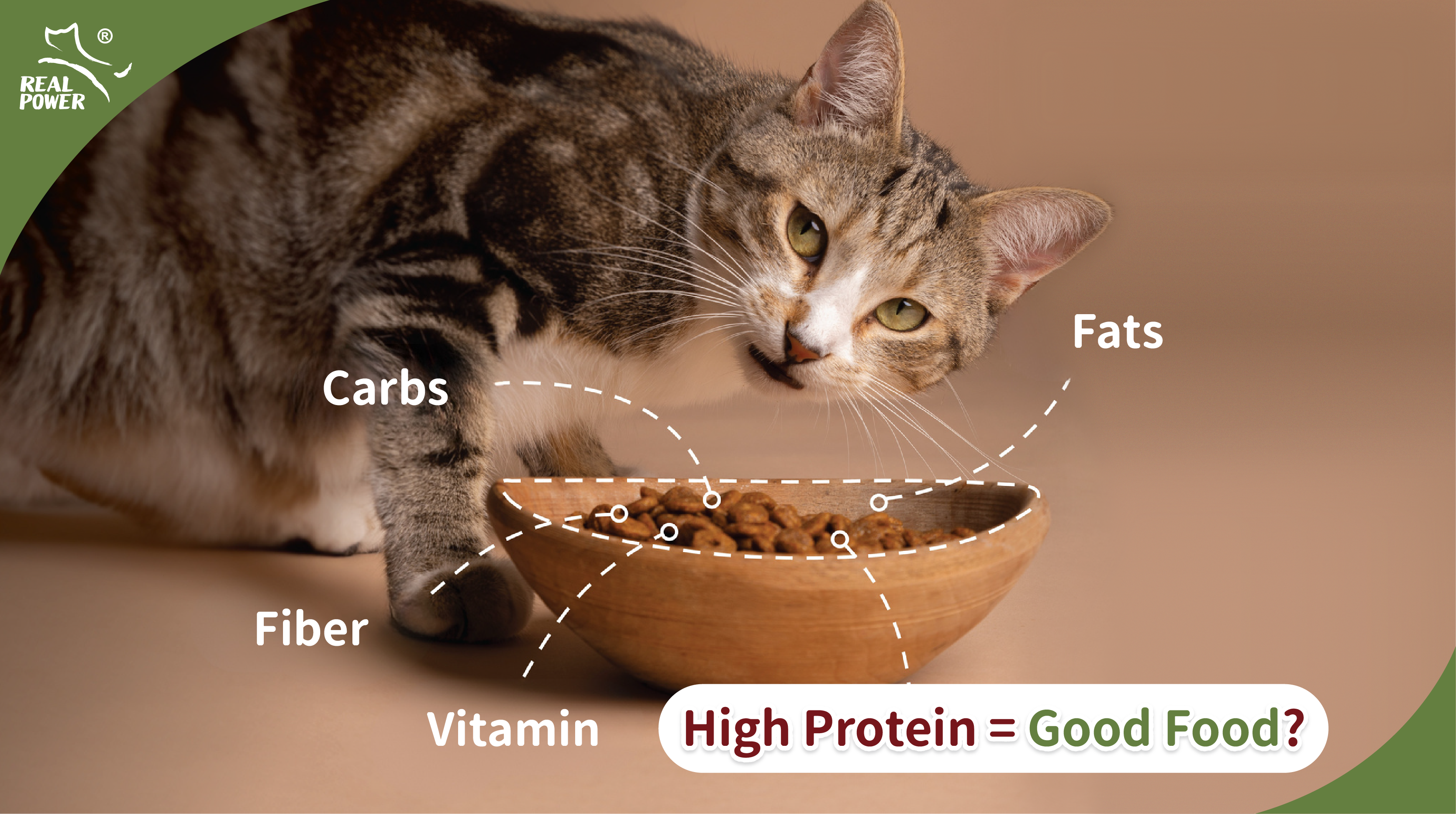
Many cat parents believe that “high protein” automatically means “better nutrition” for their pets. This is why the protein percentage on pet food labels often becomes the deciding factor when choosing what to feed their cat.
However, while checking the label is a good first step, it doesn’t tell the whole story.
Protein Quantity ≠ Protein Quality
What truly matters is not just how much protein is present, but how digestible it is and whether it provides all the nutrients a cat needs.
Why Protein Source Matters
Protein can come from a variety of sources—both animal-derived and plant-derived. But not all protein sources are created equal.
Cats are obligate carnivores, meaning they require nutrients (such as taurine, arachidonic acid, preformed vitamin A, B12, etc.) found primarily in animal tissue and largely absent or poorly bioavailable in plants. Plant proteins, while sometimes used in pet foods, often lack certain essential amino acids that cats cannot produce on their own. This can lead to nutritional gaps and digestive issues caused by plant-based antinutrients (compounds that interfere with nutrient absorption).
Not only will animal-derived protein with high proportions of essential amino acids fulfill the nutritional needs, but it will also reduce the risk of the cat developing malnutrition or other health issues.
The Best Choice: Animal-Derived Protein
Feeding your cat a diet rich in animal-based protein ensures:
Complete amino acid profiles
Better digestion and nutrient absorption
Reduced risk of malnutrition or long-term health issues
Instead of focusing only on the “high-protein” label, it’s time to look for high-quality animal protein to truly support your cat’s health and well-being.
Find out more about
Pet Food Myth Busters #2: What is high proportion of fresh meat?